Posted on Leave a comment

How can schools effectively manage students’sleep?

Sleep accounts for about one-third of the time in a person’s life. A good sleep condition can help eliminate fatigue and relieve stress. For teenagers, sleep is even more important. During the sleep cycle, growth hormone accelerates secretion and promotes the growth and development of adolescents.

A strong youth makes a strong country. Teenagers are the hope for the future of the country. Therefore, the Ministry of Education has issued the “Notice on Further Strengthening the Sleep Management of Primary and Secondary School Students”, urging schools to effectively manage the sleep of primary and secondary school students.

To effectively manage students’ sleep, schools need to have a complete management system that can achieve intelligent management and improve management efficiency and level.

Plus1Health has a smart screen, coupled with a sleep recorder (which can be embedded in a mattress), that can achieve sleep monitoring, reflecting sleep quality through monitoring heart rate and respiratory rate. A smart screen can simultaneously monitor 48 devices to reflect the sleep status of 48 students. If an abnormality occurs, an early warning message and a warning sound will appear on the smart screen. School administrators can view the actual situation of students based on the situation and promptly handle it.

Parents of students can also remotely and real-time view their children’s sleep status through the applet terminal. After binding the device, they can receive an exception warning and sleep report message push. The Sleep Mindfulness applet of Plus1Health produces reports quickly and timely, with detailed records and analysis of sleep reports, as well as stress tests, and early screening for sleep apnea. This allows schools to fully understand the health status of students and reassure parents about their children.

Posted on Leave a comment

Student sleep quality solutions to improve school health management for students

Sleep accounts for about one-third of the time in a person’s life. A good sleep condition can help eliminate fatigue and relieve stress. For teenagers, sleep is even more important. During the sleep cycle, growth hormone accelerates secretion and promotes the growth and development of adolescents.

A strong youth makes a strong country. Teenagers are the hope for the future of the country. Therefore, the Ministry of Education has issued the “Notice on Further Strengthening the Sleep Management of Primary and Secondary School Students”, urging schools to effectively manage the sleep of primary and secondary school students.

To effectively manage students’ sleep, schools need to have a complete management system that can achieve intelligent management and improve management efficiency and level.

Plus1Health has a smart screen, coupled with a sleep recorder (which can be embedded in a mattress), that can achieve sleep monitoring, reflecting sleep quality through monitoring heart rate and respiratory rate. A smart screen can simultaneously monitor 48 devices to reflect the sleep status of 48 students. If an abnormality occurs, an early warning message and a warning sound will appear on the smart screen. School administrators can view the actual situation of students based on the situation and promptly handle it.

Parents of students can also remotely and real-time view their children’s sleep status through the applet terminal. After binding the device, they can receive an exception warning and sleep report message push. The Sleep Mindfulness applet of Plus1Health produces reports quickly and timely, with detailed records and analysis of sleep reports, as well as stress tests, and early screening for sleep apnea. This allows schools to fully understand the health status of students and reassure parents about their children.

Posted on Leave a comment

Smart health and elderly care equipment to improve the quality of life for the elderly

Smart health and elderly care equipment is closely integrated with information technology, and is a new smart terminal product that is intelligent, networked, and has health and elderly care service functions (characterized by portability, self-service, and smart monitoring).

The physiological function of each organ of the elderly has declined, the metabolic function is disordered, the immunity is low, and the elderly are prone to various chronic diseases such as hypertension, diabetes, coronary heart disease and tumor. These diseases have extremely high disability and mortality rates, but are difficult to detect in the early stages. By the time the elderly truly feel uncomfortable, the disease may have developed to a more severe stage. Therefore, basic data such as pulse, respiration, heartbeat, blood pressure, and blood oxygen must be monitored for a long time. Once abnormalities are found, timely medication intervention or hospitalization treatment should be carried out.

In the past, these indicators could only be checked and confirmed in hospitals. Now, with smart health and elderly care devices, they can be measured at home, anytime, anywhere, and easy to operate. Equipped with Bluetooth technology, data can be wirelessly transmitted to terminals such as mobile phones, providing reference for families, hospitals, and nursing institutions.

Smart health and elderly care devices provide data support for periodic health status assessments by collecting biological data related to the human body, cloud based big data computation, and smart analysis, helping testers comprehensively grasp their own health trends while developing good living habits.

Smart health and elderly care equipment not only meets the health needs of the elderly, but also has care needs. Whether it is home based elderly care or living in a nursing home, it is necessary to monitor the real-time status of the elderly, improve the efficiency of emergency response to emergencies, and reduce the risk of accidents.

Smart elderly care monitoring devices use mattresses as carriers, such as the smart mattress (embedded sleep recorder) from Plus1Health, which can help the elderly lie on the mattress in the correct position, monitor their vital signs, and immediately send out alarm signals when unexpected situations such as respiratory arrest occur, allowing caregivers to seize the most valuable rescue time. For elderly people with moderate to severe disability, the roll over detection function can prompt caregivers to roll over the elderly on time to avoid bedsores and other situations.

The smart elderly care monitoring equipment achieves interconnection among the elderly, children, and caregivers, meeting the needs of healthy and disabled elderly people in different scenarios such as day, night, exercise, and rest.

Posted on Leave a comment

Smart mattress for physical sign monitoring, a good tool for promoting high-quality development of the elderly care industry

The smart mattress for physical sign monitoring is equipped with smart sensors placed on the mattress to continuously monitor pulse rate (heart rate), HRV heart rate variability, body turnover, sleep status, and on/off bed information without touching the human body. Through the Plus1Health Cloud Platform and APP, real-time monitoring, emergency danger warning, and data analysis services are provided.

The application scenarios of smart mattresses are increasing, and anyone can use them to ensure the safety of various physical signs. For elderly people, this mattress can be used for home care, community care, and nursing home care. Plus1Health can provide core sleep monitors or a complete set of products and solutions.

The smart mattress sensor is only 0.2cm thick and is usually installed under a regular household mattress, making the elderly unable to feel the presence of the sensor. This mattress has functions such as heart rate/respiratory rate monitoring, in bed/out of bed monitoring, body movement and turnover monitoring, sleep quality analysis, heart rate/respiratory limit exceeding warning, etc. It is flexible and suitable for various elderly care scenarios. Elderly care institutions can check the vital signs of the elderly through computer workstations, and children or doctors can check their information through mobile phones. Once the monitoring data exceeds the limit or special circumstances occur, they can immediately report to the police and remind them to take useful measures.

Regarding the current situation of elderly care in China, the use of smart mattresses for physical sign monitoring can effectively address the safety monitoring issues of home-based elderly care, especially for empty nest and solitary elderly people. For community and institutional elderly care, the smart and interconnected functions of monitoring mattresses, such as active monitoring, timely warning, over limit alarm, and danger prevention, minimize nursing risks, improve the work efficiency of nursing staff, and provide more humane services to the elderly and their families. It is an important and practical tool to promote the high-quality development of the elderly care industry!

Posted on Leave a comment

A non-contact vital sign health monitor suitable for personal and family applications, nursing homes, and elderly living alone

Vital signs such as heartbeat and respiration can directly reflect a person’s physical health status. The Plus1Health  non-contact vital sign information monitoring system has good penetration ability and information carrying ability.

Plus1Health has applied its own TNagle algorithm and its own integrated circuit design technology advantages to develop a small practical product of non-contact vital signs health monitor, which is mainly used in personal and family health monitoring, smart elderly care in health care institutions and other fields.

The non-contact vital sign health monitor can achieve non-contact monitoring of vital sign signals such as respiration and heartbeat, and will have broad application prospects in fields such as cardiac monitoring, infant monitoring, and obstructive sleep apnea monitoring.

The non-contact vital sign health monitor can penetrate clothing and bedding for physiological information detection, which has greatly expanded its application scope, not limited to professional places such as hospitals, but more suitable for home use and many special occasions. In addition, it allows users to monitor safely and comfortably without feeling any constraints.

Vital sign health monitoring devices can achieve non-contact monitoring of vital sign information such as respiration and heartbeat during sleep, so there will also be a great market demand for sleep monitoring in the elderly.

Based on current market demand, the products developed and produced are suitable for the following application prospects:

1. Based on personal and family applications, monitor sleep, record chest movements during rolling and breathing, and assess sleep status.

2.Based on and facing nursing homes and elderly people living alone, it can monitor the breathing and heart rate of patients and elderly people during sleep, and provide early warning for abnormal conditions. In nursing homes, a monitoring system can be developed to alert abnormal beds at night.

Posted on Leave a comment

Can lack of sleep damage your heart?

Habitual short sleep and short sleep duration are associated with many cardiovascular events like atherosclerosis (narrowing and hardening of the arteries), coronary heart disease, high cholesterol, high blood pressure, heart failure, and stroke. Let’s have a look at insufficient sleep and its effects on different heart conditions. 

1.Sleep and Heart Rate

Our heart rate drops to 20-30% during the NREM deep sleep stages. It returns to normal when you wake up. Chronic sleep deprivation results in irregular and increased heartbeat and high blood pressure that puts extra pressure on our heart. Heart palpitations can also happen as a consequence of abrupt awakenings which are common among those with obstructive sleep apnea (OSA). 

2.Sleep and High Blood Pressure

Scientists observe a 10-20% drop in blood pressure during the normal NREM deep sleep stage, a phenomenon known as nocturnal dipping. Those with sleep disruptions and lack of sleep experience non-dipping, which means that their blood pressure does not drop during sleep. This increases the risk of high blood pressure, which may have serious consequences such as heart attack, stroke, coronary heart disease, or kidney failure, as we wrote about in our article about hypertension in Singapore and its complications here. 

3.Sleep and Heart Failure

Heart failure happens when the heart fails to pump and supply enough blood throughout the body, in many cases as a result of unmanaged hypertension. An observational study reported linkage between sleep deprivation and heart failure. This study also reported an increased risk of heart failure in those who sleep less than seven hours a day. The risk of heart failure was also found to be more common in people with unhealthy sleep behaviors like snoring, daytime sleepiness, and insomnia symptoms. 

4.Sleep and Atherosclerosis & Coronary Heart Disease

Coronary heart disease, also known as coronary artery disease, occurs when plaque builds up in the arteries, and restricts blood flow, a condition called atherosclerosis. Lack of sleep and sleep disruptions are believed to contribute to atherosclerosis, possibly due to chronic inflammation in the body. Atherosclerosis interferes with normal blood flow, causing coronary heart disease. In severe cases heart attack happens when a coronary artery is completely obstructed. Find out more about common heart diseases in Singapore and what causes them apart from loss of sleep in our in-depth blog post here. 

5.Sleep and Stroke

A stroke occurs when the brain cells die from the lack of oxygen because of obstructed blood flow to the brain. Studies have found a correlation between loss of sleep and stroke. Insufficient sleep increases the risk of stroke by elevating blood pressure and contributing to plaque buildup.  

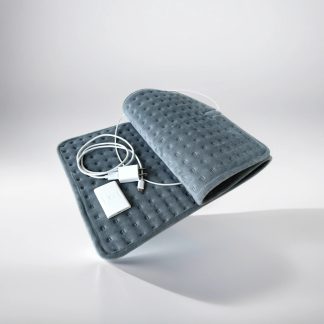
Plus1Health has a sleep record,which is compact and exquisite, easy to carry, and can monitor in real-time, record abnormal situations, automatically generate sleep reports and analyses.

Here are two free heart rate monitor apps—”Heart Rate” and ”AFibCheck”, it is simple and convenient to operate,which can be downloaded and used after searching in the mobile app store.

Posted on Leave a comment

Which Ways To Improve Sleep Quality And Heart Health

As sleep is associated with the body’s healing and restoring abilities, it is crucial for keeping our heart safe. Improving sleep quality is crucial to improving our heart health.

If you have been struggling to get quality shut-eye time without success for a while, seeking medical help is recommended. Lack of sleep can be either a cause and a consequence of another medical condition. With a professional’s help, you will be able to check and treat any underlying medical causes that prevent you from getting a peaceful night’s sleep. In the case of primary insomnia (lack of sleep without an underlying cause), you may benefit from prescribed medications to help transit to a better sleep routine. 

However, medications for sleep may have their limitations, such as dependency, and reduced effect over time. Therefore, lifestyle changes at home are essential to improve sleep quality and quantity in the long-term. Below are some good lifestyle choices and sleep hygiene habits that are good for our slumber, which also means they are good for our heart:

1.Observe Symptoms Of Possible Sleep Disorders

Underlying sleep disorders like sleep apnea or daytime sleepiness can be the cause of poor sleep quality. Look into symptoms such as waking up tired even after sleeping for eight hours, snoring, struggling to stay awake in a meeting or while driving, and waking up from sleep multiple times a night. If you observe these symptoms, it is important to consult your GP or healthcare provider to identify the medical causes and address them effectively.

2.Improve Sleep Environment

A sleep-inducing environment contributes to a good night’s sleep. Electronics, extra lights, unwanted noise, late-night TV are among the public enemies of sleep. Bedroom should be sufficiently dark and at a comfortable temperature. Changing to fresh bed linens and pillow covers regularly can also help you sleep better. Also, you should only go to the bedroom to sleep when you are tired. Using the bedroom to work or lying in bed to watch TV can make the brain disassociate the sleep environment with sleep, making it harder for you to fall asleep when you want to.

3.Have A Consistent Pre-Sleep Routine

Going to bed and waking up at the same time sets the body clock, helping you to fall and stay asleep better. Pre-sleep routine also includes activities to prime the body and brain for sleep, such as changing from work clothes to loose and comfortable sleepwear. Other helpful habits are reading a book for 30 minutes, listening to relaxing music, and taking a bath before bedtime. 

Some people report having a glass of wine before bedtime helps them sleep better. This is not proven by research. Alcohol has sedative quality and may help you fall asleep faster, but it is believed to disrupt sleep quality later in the night. Caffeine is another sleep disruptor to avoid. If you want to fall asleep by 10pm, stop having coffee by 2pm the same day.

4.Exercise More

Regular exercise and physical activities during the day not only keeps our heart strong but also helps you fall asleep and stay asleep. 20-30 minutes of physical activity is recommended daily to boost sleep quality. However, avoid strenuous exercise late in the evening as it can take time for the body to switch to the relaxing state it needs before falling into sleep mode. 

Heart patients can also exercise by performing relaxing activities such as light stretching, yoga, meditation or deep breathing. Check out our recommended exercises for adults with cardiovascular conditions here. 

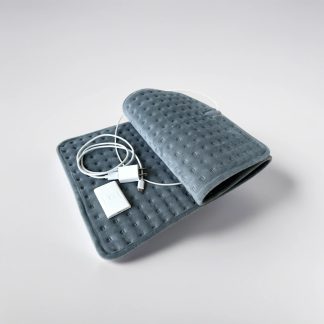
 Plus1Health has a sleep record, which is compact and exquisite, easy to carry, and can monitor sleep quality, record abnormal situations, automatically generate sleep reports and analyses.

Here are two free heart rate monitor apps—”Heart Rate” and ”AFibCheck”, it is simple and convenient to operate,which can be downloaded and used after searching in the mobile app store.
Posted on Leave a comment

What safety factors should be considered when wearing a heart-rate monitor during sleep?

However, it’s important to ensure that the heart-rate monitor you are using is designed and intended for continuous wear during sleep. Some monitors may not be specifically designed for overnight use or may cause discomfort during sleep, which could disrupt your sleep quality.

Here are a few considerations when wearing a heart-rate monitor during sleep:

1.Comfort: Choose a heart-rate monitor that is comfortable to wear during sleep and does not interfere with your sleep or cause any discomfort. It should have a soft and adjustable strap or a wristband that fits well without being too tight or restrictive.

2.Safety precautions: Ensure that the heart-rate monitor is safe to wear during sleep and does not pose any risks of skin irritation, allergic reactions, or other adverse effects. Follow the manufacturer’s instructions for usage and maintenance.

3.Data interpretation: Keep in mind that heart-rate monitors provide information about your heart rate, but they are not diagnostic tools for medical conditions. Interpreting the data collected by a heart-rate monitor should be done in consultation with a healthcare professional who can provide appropriate context and analysis.

4.Sleep quality: Wearing a heart-rate monitor during sleep should not negatively impact your sleep quality. If you find that it is interfering with your ability to sleep or causing discomfort, it may be best to remove the monitor or explore alternative monitoring methods.

It’s worth noting that if you have any underlying medical conditions or concerns about your heart health, it’s important to consult with a healthcare professional. They can provide personalized guidance based on your individual health needs and determine if wearing a heart-rate monitor during sleep is appropriate and beneficial for you.

Plus1Health has a sleep record, which is compact and exquisite, easy to carry, safety and can monitor sleep quality, record abnormal situations, automatically generate sleep reports and analyses.

Here are two free heart rate monitor apps—”Heart Rate” and ”AFibCheck”, it is simple and convenient to operate, which can be downloaded and used after searching in the mobile app store.

Posted on Leave a comment

Plus1Health sleep detection module, supporting secondary development, can be applied to various scenarios such as institutional elderly care, community elderly care, home elderly care, smart mattresses, maternity centers, health hotels

The Plus1Health sleep detection module is a module that focuses on collecting data on human vital signs. The module utilizes sensors and software to accurately detect real human vital signs. The module has the characteristics of small size, convenient appearance design, and low power consumption, combined with software and a precise and unique algorithm summarized through a large amount of human sample testing data.

The Plus1Health sleep detection module adopts a driver free method. Customers only need to correctly connect the module to the application product and power it on, and can quickly achieve sleep monitoring, experiencing the infinite joy of monitoring human vital signs.

The Plus1Health sleep detection module can be redeveloped to monitor sleep, respiration, and heart rate. The sleep belt monitors heart rate, respiration, and body movement in real-time, and automatically generates sleep reports, such as average heart rate, respiration rate, and duration of deep and shallow sleep.

High precision measurement, secondary development networking, and development data packages.

Recording sleep status can be applied to various scenarios. For example, institutional elderly care, community elderly care, home based elderly care, smart mattresses, maternity centers, wellness hotels, etc.

Single mode group is output through serial port data, without networking function, suitable for verification function.

Users can view data by connecting to a computer through a serial port tool.

Posted on Leave a comment

Smart Mattress Product APP Development Solution

The development of a smart mattress app can monitor users’ sleep status, allowing them to sleep more securely. The living pressure of modern urbanites is increasing, and having a good sleep state is particularly important. The smart mattress and app not only allows users to sleep soundly, but also displays their sleep status on the app, allowing users to fall asleep more quickly.

1. The advantages of developing a smart mattress app

Accurate monitoring: By monitoring heart rate and respiratory rate, a curve graph is generated to evaluate sleep quality, which can be viewed on the mobile app.

Exclusive proposition: Record every detail of sleep, analyze data to generate sleep reports, reshape one’s sleep habits, and provide sleep quality.

Health tips: Monitor heartbeat, respiration, body movements, and out of bed data comprehensively. After analyzing the user’s physical condition through data analysis, the app will prompt in a timely manner in case of any abnormalities.

2. The functions of the smart mattress app

1) Sleep monitoring: Users’ sleep status, sleep duration, deep sleep duration, and light sleep duration can be understood on the app. It can also monitor snoring and provide sleep advice based on analysis.

2) Heart rate statistics: Mattresses can also monitor users’ heart rate, allowing users to easily understand their physical condition through these data. The heart rate and respiratory rate can be directly viewed on the app.

3) Sleep details: Users can easily understand their sleep status and more through sleep details.

4) Smart detection: Through the smart mattress app software, we can achieve rapid detection and achieve fast connection between mobile devices and smart mattress devices.

5) Smart anti-snoring: After identifying snoring, the height of the mattress will be automatically adjusted to achieve the effect of anti-snoring.

6)Abnormal prompt: If there is an abnormal situation during sleep monitoring, it will automatically prompt, such as tachycardia/bradycardia, etc.