
Posted on Leave a comment

What diseases can sleep monitoring detect?

1. Snoring. That is what we usually call snoring, which is medically called obstructive sleep apnea hypopnea syndrome (OSAHS) , insomnia, fatigue, emotional disorders, etc.

2, Narcolepsy. Mainly manifested as uncontrollable drowsiness, cataplexy, sleep paralysis (commonly known as ghost press), sleep hallucinations and nighttime sleep disturbances. In addition to the medical history, the diagnosis of the disease requires multiple sleep latency experiments (also known as nap experiments). However, prior to this examination, overnight sleep monitoring during the patient’s habitual sleep period should also be recorded to aid in the diagnosis.

3. Parasomnia. Refers to involuntary somatic actions or experiences that occur during falling asleep, during sleep, or upon awakening from sleep. According to the different sleep stages, parasomnias are divided into four categories in ICSD-3 (International Classification of Sleep Disorders) in 2014: Among them, REM (rapid eye movement) stage parasomnia requires continuous long-term sleep monitoring to be diagnosed, parasomnias in NREM stage are more well-known as sleepwalking (commonly known as sleepwalking), which can be supplemented by overnight sleep monitoring.

4. Insomnia. Insomnia is the most common sleep disorder in clinical practice. Patients often complain of difficulty falling asleep, waking up easily in the middle of the night, insufficient sleep time or poor sleep quality. In fact, some insomnia patients are not really insomnia. We are also not easy to judge, we have to rely on data to speak, so we need to evaluate the real sleep situation through sleep monitoring throughout the night. There are also patients with insomnia and OSAHS who also need sleep monitoring.

5. Sleep-related movement disorders. For example, sleep-related teeth grinding, restless lower limb syndrome, periodic limb movement disorder, etc., all of which need to be supplemented by our overnight sleep monitoring to help clinicians make correct diagnosis and treatment opinions.

6. Chronic obstructive pulmonary disease-related sleep disorders. A survey of 20,245 people in my country by some scholars shows that the prevalence of chronic obstructive pulmonary disease (COPD) in people over 40 years old is 8.2%. COPD combined with OSA is called overlap syndrome. Continuous long-term sleep monitoring in COPD patients can help identify patients with overlapping syndromes in which COPD and OSAHS coexist.

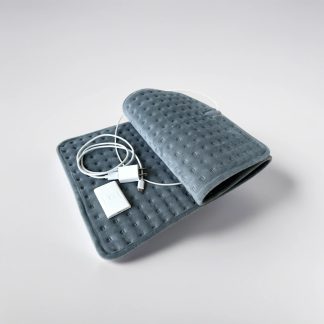
The sleep recorder of Plus1Health can monitor sleep conditions continuously for a long time all night, with accurate monitoring data and timely and accurate reports.

Posted on Leave a comment

What factors can cause sleep apnea syndrome?

1. Dysplasia of the maxilla and mandible, or deformity of the maxilla and mandible, which is one of the important reasons for the onset of sleep apnea syndrome.

2. Abnormal pathological changes in the upper airway anatomy, including nasal or nasopharyngeal stenosis, laryngeal stenosis, etc. In addition, factors such as abnormal tension of the upper airway dilator or abnormal regulation function of the respiratory center may also lead to the occurrence of this disease.

3. Systemic diseases, including hypothyroidism, diabetes, hypertension, that can also cause this abnormal symptom.

4. Obesity is common among middle-aged men, who have a certain family genetic history. Therefore, if the weight can be strictly controlled, it can also effectively alleviate the severity of the disease.

5. Unhealthy living habits, including frequent staying up late or heavy smoking, drinking, etc.

6. Asthma. The study found an association between asthma and the risk of obstructive sleep apnea.

7. Family history of sleep apnea. If your family has obstructive sleep apnea, the risk may increase.

Here is a free snore-recording app called “Snore Tracker“. You can also monitor your sleep and health status at any time with the help of the sleep recorder of Plus1Health.

Posted on Leave a comment

How to choose a smart mattress?

Nowadays, we all live in the era of intelligence, more and more things become intelligent, including mattresses. When we enter the smart home market, we will be attracted by all kinds of black technology smart mattresses in front of us, but so many mattresses rush into the market at once, which inevitably makes people have more doubts about their choice. So, how do we choose smart mattresses? How can I make the smart mattress more suitable for myself?

1、 Intelligent mattress for elderly care monitoring: suitable for the elderly

This kind of mattress is mainly aimed at elderly care institutions or home-based elderly care groups, in order to better provide careful elderly care services for the elderly. According to the individual differences of the elderly, it can timely monitor the elderly’s heart rate, respiratory rate, time out of bed and other data, record the sleep quality of each elderly person every night, and immediately report to the general service desk or message push in case of any abnormality, so as to reduce the risk of first aid.

This kind of mattress also has two modes. One is the integrated type that embeds the sensor into the mattress. Another mode is to put an intelligent sign monitoring pad under a common mattress.

2、 Health massage and sleep aid intelligent mattress: suitable for people with poor sleep quality

This type of mattress is like a household bed massager. It has the function of massage and can help improve sleep. Generally, it has multiple functions such as height adjustment, sound wave massage, healthy sleep optimization, which can effectively relieve fatigue and improve sleep quality. It is a mattress suitable for all ages.

3、 Dynamic health smart mattress: suitable for people who need more detailed adjustment

This kind of mattress is made based on ergonomics and high-tech sensor technology. Functionally, it can be adjusted in various ways, such as back and leg lifting, back lifting, leg lifting, free lifting and other functions. The mattress can adjust the angle of the bedstead freely through the remote control, adapt to the bending angle of various parts of the body, freely adjust the body posture, reduce the pressure on the neck, and promote blood circulation. You can also adjust any position to support the muscles of your head, neck, shoulder, back, buttocks, big and small legs, easily and evenly share your body weight with zero pressure, allowing you to choose a more comfortable sleep position.

4、 4D somatosensory mattress: suitable for game players, film VR enthusiasts and other groups

This kind of mattress is regarded as an intelligent mattress created by game players, VR, film lovers and other enthusiasts who pursue the ultimate experience of vision and touch. It combines the home theater, bedroom theater, scene linkage and 4D video and audio body feeling, so that consumers who are in bed can enjoy a cool experience of vision, hearing and touch. At present, such products are relatively conceptual, and there are relatively few products that are actually developed and applied.

The smart mattress solution of Plus1Health integrates the functions of the above intelligent mattresses, with massage, adjustment and remote control functions, and can also monitor heart rate, respiratory rate, abnormal alarm, emergency call, remote view, screen sleep apnea syndrome, automatically generate sleep report and sleep report analysis, and push to specific people.

Science and technology change life. With the development of light sensing technology, manufacturing technology, Internet application development and other related industries, I believe that one day all mattresses will become intelligent and bring convenience to mankind.

Posted on Leave a comment

Smart Mattress Product APP Development Solution

The development of a smart mattress app can monitor users’ sleep status, allowing them to sleep more securely. The living pressure of modern urbanites is increasing, and having a good sleep state is particularly important. The smart mattress and app not only allows users to sleep soundly, but also displays their sleep status on the app, allowing users to fall asleep more quickly.

1. The advantages of developing a smart mattress app

Accurate monitoring: By monitoring heart rate and respiratory rate, a curve graph is generated to evaluate sleep quality, which can be viewed on the mobile app.

Exclusive proposition: Record every detail of sleep, analyze data to generate sleep reports, reshape one’s sleep habits, and provide sleep quality.

Health tips: Monitor heartbeat, respiration, body movements, and out of bed data comprehensively. After analyzing the user’s physical condition through data analysis, the app will prompt in a timely manner in case of any abnormalities.

2. The functions of the smart mattress app

1) Sleep monitoring: Users’ sleep status, sleep duration, deep sleep duration, and light sleep duration can be understood on the app. It can also monitor snoring and provide sleep advice based on analysis.

2) Heart rate statistics: Mattresses can also monitor users’ heart rate, allowing users to easily understand their physical condition through these data. The heart rate and respiratory rate can be directly viewed on the app.

3) Sleep details: Users can easily understand their sleep status and more through sleep details.

4) Smart detection: Through the smart mattress app software, we can achieve rapid detection and achieve fast connection between mobile devices and smart mattress devices.

5) Smart anti-snoring: After identifying snoring, the height of the mattress will be automatically adjusted to achieve the effect of anti-snoring.

6)Abnormal prompt: If there is an abnormal situation during sleep monitoring, it will automatically prompt, such as tachycardia/bradycardia, etc.

Posted on Leave a comment

Smart Snoring Prevention Mattress Solution – Physical Snoring Prevention to Improve Sleep Quality

It is understood that people who snore for a long time are likely to suffer from OSAHS. Approximately three thousand people worldwide die from this disease every day, and almost all patients have a history of snoring during sleep, with approximately one in five snorers suffering from this disease. If sleep monitoring confirms that snoring has affected physical health, timely intervention and treatment should be carried out.

If, after monitoring, it is shown that one is suffering from OSAHS, how to treat it?

It is recommended not to use a ventilator for now. Although the effect of the ventilator is immediate. But it requires plugging in and wearing a mask, which is inconvenient to use. If there is a sudden power outage, there are safety hazards and even some criticized problems. For example, positive pressure ventilation not only works when you inhale, but also when you exhale, which can affect the comfort of normal breathing and affect sleep. If you are a patient with severe apnea, it is recommended to use a ventilator again.

It is recommended that patients with moderate to mild sleep apnea be treated with weight loss and lateral sleep.

Weight loss can reduce the degree of respiratory obstruction, and in reality, more than half of patients can reduce and slow down snoring and obstructive sleep apnea through successful weight loss.

Side sleeping can prevent soft tissue in the throat and tongue from falling back and compressing the airway, reduce airway pressure caused by extra weight on the abdomen, chest, and neck, avoid respiratory obstruction, effectively improve respiratory conditions, and reduce snoring. For the anti snoring effect of lateral lying, many research literature has also provided clear conclusions: lateral lying (at least 30 °) is the main influencing factor of snoring rate and AHI (apnea hypopnea index). The ideal lateral sleeping position can reduce the snoring rate by 80%. In addition, when lying on the side at least 30 ° and raising the back by 2cm, AHI can be reduced by 80%.

Some people may say that sleeping on their side also snores, what’s the matter?

If you snore while lying on your side, it may be because there is too much meat on your neck, which compresses the airways severely. Even if you lie on your side, you cannot open the airways. Therefore, you need to lose weight first, and then receive side sleep treatment after appropriate weight loss, which can achieve good anti snoring effects.

Is sleeping on the side just enough for sleeping on the side? Of course not.

You sleep on your side, but after falling asleep at night, you cannot guarantee your posture, so maintaining a side sleep also requires skills and methods. Human intelligence is infinite, and the predecessors in the field of sleep have invented devices to help people lie on their sides, and they have been updated and iterated with the progress of technology.

Smart Snoring Mattresses – With the development of the smart home industry, products such as smart snoring mattresses have emerged. The principle of an smart anti-snoring mattress is to monitor snoring sound and push the snorer’s head position to move, automatically raising the back angle to guide the body to lie on its side, thereby adjusting the airway angle to achieve the purpose of anti-snoring. Equipped with a dedicated app, just like a user’s private sleep doctor, it will collect data on snoring duration during their sleep and assist users in monitoring changes in their sleep quality.

Posted on Leave a comment

What is the relationship between snoring and hypertension?

Snoring is related to high blood pressure, mainly caused by sleep apnea syndrome. In addition, it may also be related to physiological factors such as improper sleeping posture and excessive fatigue.

1. Hypertension

Secondary hypertension is generally considered to be related to kidney disease, brain lesions, sleep apnea syndrome, and other conditions. Snoring may be caused by sleep apnea syndrome, so there is a certain relationship between snoring and hypertension. Patients with sleep apnea syndrome may exhibit multiple system injuries, while patients with cardiovascular system injuries may exhibit increased blood pressure, heart rate abnormalities, and in severe cases, may also induce sudden cardiac death. In addition, clinical data shows that more than 50% of patients with obstructive sleep apnea hypopnea syndrome are associated with hypertension, while approximately 30% of patients with hypertension are also associated with obstructive sleep apnea hypopnea syndrome.

2. Physiological factors

When the body sleeps improperly, overwork, improper pillow height, obesity, etc., it is easy to induce snoring. Snoring in this type of population is not related to hypertension. It is recommended that patients with hypertension and snoring actively seek medical examination and cooperate with doctors for targeted treatment to avoid delaying the condition.

Plus1Health has two free apps: “Snore Tracker” that can record snoring sounds, and “AFibCheck” that can monitor heart rate; There is also a sleep recorder that can perform sleep monitoring, real-time monitoring of heart rate and respiration, automatically generating sleep reports to help screen for sleep apnea syndrome.

Posted on Leave a comment

Why should heart disease patients undergo sleep monitoring?

Sleep is closely related to heart health. Sleep monitoring for heart disease patients can help identify the following issues:

1. Heart burden: During sleep, the burden on the heart changes. For heart disease patients, the heart may experience additional stress and load during sleep. Monitoring sleep can help evaluate the function and workload of the heart during rest.

2. Respiratory problems: Some heart diseases, such as heart failure or arrhythmia, may lead to sleep breathing problems, such as sleep apnea syndrome or nocturnal hypoxemia. Monitoring sleep can detect the presence and severity of these respiratory problems.

3. Blood pressure control: Sleep is crucial for blood pressure control in heart disease patients. Poor sleep may lead to increased or unstable blood pressure fluctuations, increasing the risk of cardiovascular events. By monitoring sleep, we can understand the changes in blood pressure during sleep and help doctors adjust treatment plans.

4. Arrhythmia monitoring: During sleep, arrhythmias may occur or worsen. Monitoring arrhythmia during sleep can provide a more comprehensive assessment of cardiac health and help adjust the use of antiarrhythmic drugs.

In summary, sleep monitoring is very important for patients with heart disease. By understanding sleep and the state of the heart during sleep, doctors can better assess heart health, adjust treatment plans, and provide more effective care and advice.

Plus1Health has a sleep recorder that can perform sleep monitoring without perception or contact with the human body. It is safe and reliable, with accurate monitoring data. It can monitor heart rate and respiratory rate in real-time, detect heart rate abnormalities and other cardiac abnormalities in a timely manner, and automatically generate sleep reports.